The Role of Networking at Open Mics for Performers
Discover the role of networking at open mics. Build industry relationships, connect with collaborators, and land paid gigs successfully.
The Role of Networking at Open Mics for Performers
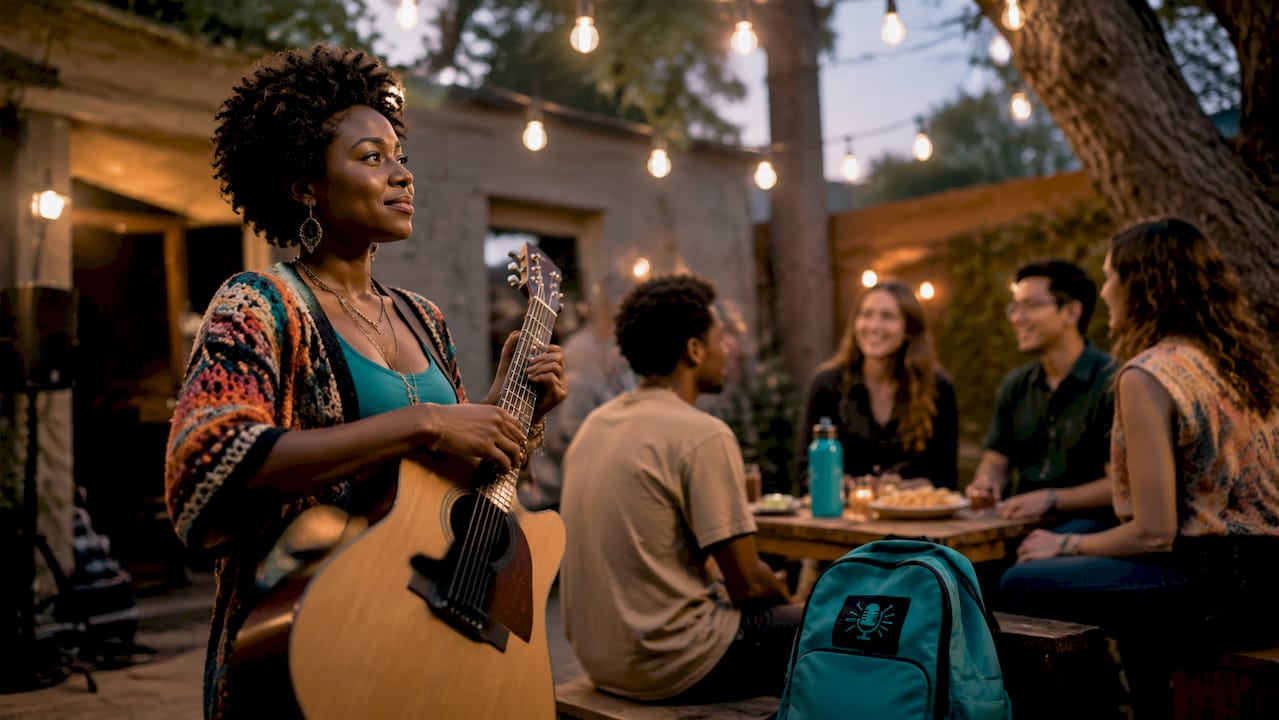
Networking at open mics is the single most direct path a performer has to building real industry relationships, finding collaborators, and landing paid gigs. The stage gets you noticed, but the room gets you booked. Open mic networking, the practice of building professional relationships through consistent in-person attendance at open mic events, works because it puts you in the same physical space as the people who can actually move your career forward. Talent scouts, venue owners, bookers, and fellow performers all show up to these nights. Your job is to make sure they remember you for the right reasons.
What is the role of networking at open mics?
Open mic networking is not just small talk over a beer after your set. It is a structured opportunity to meet the full ecosystem of the live performance industry in one room. Open mics attract diverse attendees including other performers, regular audience members, talent scouts, and event managers, making them one of the richest networking environments available to an emerging artist. That diversity matters because a single night can connect you with a co-writer, a venue booker, and a fellow comedian who knows about a festival slot you had no idea existed.
Physical presence at these events carries a weight that online networking simply cannot replicate. 70% of professional music networking now occurs online, yet consistent physical attendance at open mics remains the highest-signal activity for building career-advancing relationships. Showing up in person signals commitment. It tells the room you are serious, reliable, and worth knowing.
The networking benefits at open mics go well beyond swapping contact info. Connections formed here lead to collaborations, skill-sharing sessions, referrals for paid gigs, and introductions to people two or three rungs above where you currently sit. Think of each open mic night as a recurring industry mixer where the cover charge is a five-minute set.
How to network effectively at open mics
Most performers treat networking as a passive activity. They perform, they hang around, they hope someone approaches them. That approach rarely works. Effective open mic networking is active, intentional, and anchored to something concrete.
Here are the strategies that actually move the needle:
Come with a project, not just a handshake. Project-anchored networking is more productive than casual socializing for building meaningful connections. Instead of saying “we should work together sometime,” say “I’m recording an EP next month and I need a bassist. Are you available?” Specificity creates traction.
Support other performers genuinely. Stay for other people’s sets. Laugh at the jokes. Applaud the musicians. People notice who sticks around and who bolts after their own slot. Being a good audience member is one of the most underrated networking strategies for performers.
Engage the host and venue staff. The host controls the sign-up list, the running order, and often the relationship with the venue owner. Treat them with respect, not as a gatekeeper to charm. A quick, genuine conversation after the show goes further than any business card.
Follow up within 48 hours. Memory fades fast after a busy open mic night. Send a short message referencing something specific from your conversation. “Loved your bit about airport security” beats “great meeting you” every time.
Track your interactions. Keep a simple log of who you met, what you discussed, and what the next step is. Performers who track their progress and manage their connections consistently are the ones who transition from regulars to working professionals.
Pro Tip: Bring new material every time you show up. Returning with fresh work signals growth and gives people a reason to keep watching you. It also gives you something new to talk about when connecting with artists at open mics.
What are the biggest networking challenges at open mics?
Every performer hits the same walls when they first start working the room. Knowing what they are makes them easier to clear.
Social intimidation. Walking into a room full of strangers and starting a conversation is genuinely hard. The fix is simple: start with the person sitting next to you at the sign-up table. You already have something in common.
Balancing performance prep with networking time. You cannot be mentally rehearsing your set and also holding a real conversation. Arrive early, network before you perform, then return to conversations after your slot when your head is clear.
Coming across as transactional. Nobody wants to feel like a stepping stone. Open mic networking works best when you support others, remember details about them, and stay genuinely present rather than scanning the room for someone more useful.
Over-following-up. One message after an event is warm. Three messages in four days is pressure. Give people room to respond on their own timeline.
Misreading the room. Some nights are high-energy and social. Others are quiet and focused. Read the vibe before launching into a pitch. Connecting with artists at open mics requires social awareness, not just ambition.
The underlying fix for most of these challenges is the same: show up consistently, be genuinely interested in other people, and let the relationship develop at its own pace.
How does venue type affect your networking opportunities?
Not all open mics are built the same, and the venue type shapes the networking scene more than most performers realize. Knowing the differences helps you pick the right room for your goals.
Venue type Crowd profile Best for
Coffee shop Regulars, local creatives, acoustic acts Intimate connections, co-writers, poets
Bar or club Mixed crowd, more industry foot traffic Bookers, promoters, cross-genre contacts
Community center Families, local organizers, diverse genres Broad audience feedback, local press
Multi-genre showcase Comedians, musicians, spoken word artists Cross-disciplinary collaborations
Bar and club open mics tend to attract more industry professionals because talent scouts and venue owners frequently attend these events to scout new talent, often staying anonymous in the crowd. A strong five-minute set in the right room can lead to a paid booking faster than months of online outreach.
Multi-genre open mics deserve special attention. A comedian sharing a bill with a jazz trio and a spoken word poet creates unexpected collaboration opportunities. The role of collaboration in open mics is often most visible in these mixed-format nights, where performers from different disciplines find creative overlap they never would have discovered otherwise.
Pro Tip: Use location and night filters to find open mics that match the specific crowd you want to meet. Showing up to the right room consistently beats showing up to every room randomly.
Understanding different open mic venue setups before you walk in gives you a real edge. You will know what kind of crowd to expect and how to adjust your approach before you even sign up.
Key Takeaways
Networking at open mics builds careers because it combines consistent physical presence, genuine relationship-building, and project-anchored outreach in a single, repeatable environment.
Point Details
Physical presence is irreplaceable Showing up in person signals commitment and creates trust that online networking cannot match.
Project-first outreach works Anchor conversations to specific collaboration needs rather than vague “let’s work together” statements.
Venue type shapes your network Bar and club open mics attract more industry professionals; multi-genre nights create cross-disciplinary connections.
Reliability is your real currency Talent scouts evaluate temperament and professionalism, not just performance ability.
Consistent attendance compounds Performers who show up regularly and track their progress are the ones who transition to paid work.
What I’ve learned about open mic networking that nobody tells you
Here is the uncomfortable truth about open mic networking: most performers treat it like a lottery ticket. They show up a few times, hand out some business cards, and wonder why nothing happened. That is not networking. That is hoping.
The real currency in music networking is reliability and temperament, not talent alone. I have watched genuinely gifted performers get passed over for bookings because they were difficult to deal with or inconsistent in their attendance. And I have watched average performers land steady gig calendars because everyone in the room trusted them to show up, be professional, and make the night easier for everyone involved.
The collaborations I have seen come out of open mics were almost never planned. They happened because two people kept showing up to the same room, kept watching each other perform, and eventually had a real conversation about a real project. That takes time. We are talking months, sometimes longer. The performers who treat open mics as a long-term relationship investment are the ones who build networks that actually sustain a career.
My honest advice: stop trying to network and start trying to belong. Be the person who knows the host’s name, who cheers for the nervous first-timer, who brings something new to the stage every time. That behavior gets noticed. And the people who notice it are exactly the ones you want in your corner.
— Adam Waddle
Find your next networking opportunity with Open Mic Search
You cannot build relationships at open mics you do not know exist. Open Mic Search makes it easy to find the right events in your city, filter by night and location, and show up consistently to the rooms that match your goals.
Performers on Open Mic Search can track their sets, collect audience feedback through QR codes, and build a performer portfolio that shows real growth over time. Performers who transition to paid gigs do it by showing up, building relationships, and documenting their progress. Open Mic Search gives you the tools to do all three. Find open mics near you and start building the network your career actually needs.
FAQ
Why is networking at open mics so important for performers?
Networking at open mics puts performers in the same room as talent scouts, venue owners, and collaborators who can directly advance their careers. Physical presence at these events builds trust and visibility that online outreach alone cannot replicate.
How do talent scouts find performers at open mics?
Talent scouts frequently attend open mics anonymously to evaluate both performance ability and professional temperament. A strong set combined with positive behavior in the room can lead to a paid booking quickly.
What makes open mic networking more effective than online networking?
Consistent physical attendance at open mics is the highest-signal networking activity for building career-advancing relationships. Online networking reaches more people, but in-person connections at open mics carry more weight and convert to real opportunities faster.
How often should performers attend open mics to build a real network?
Consistent attendance over two to three years is the recommended approach for building career-advancing relationships through open mic networking. Sporadic appearances rarely generate the trust needed for meaningful professional connections.
What is the biggest mistake performers make when networking at open mics?
Passive networking is the most common mistake. Successful performers use project-first networking, approaching conversations with specific collaboration needs rather than vague intentions to “connect.”
Recommended
Blog — From the Stage — Open Mic Search
Role of Location Filters at Open Mic Events — Open Mic Search
How Musicians Transition from Open Mic to Gigs — Open Mic Search
Blog — From the Stage — Open Mic Search